
JördHaus
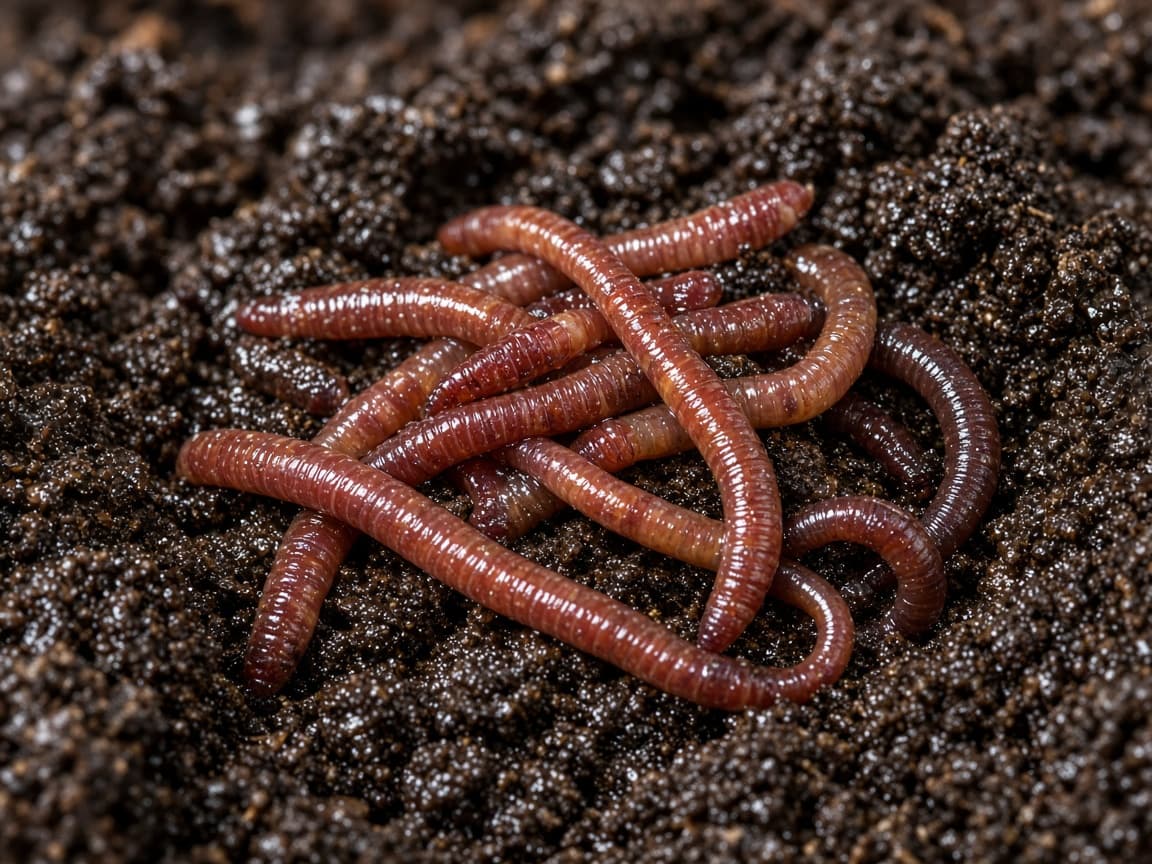
Close view of dark living soil
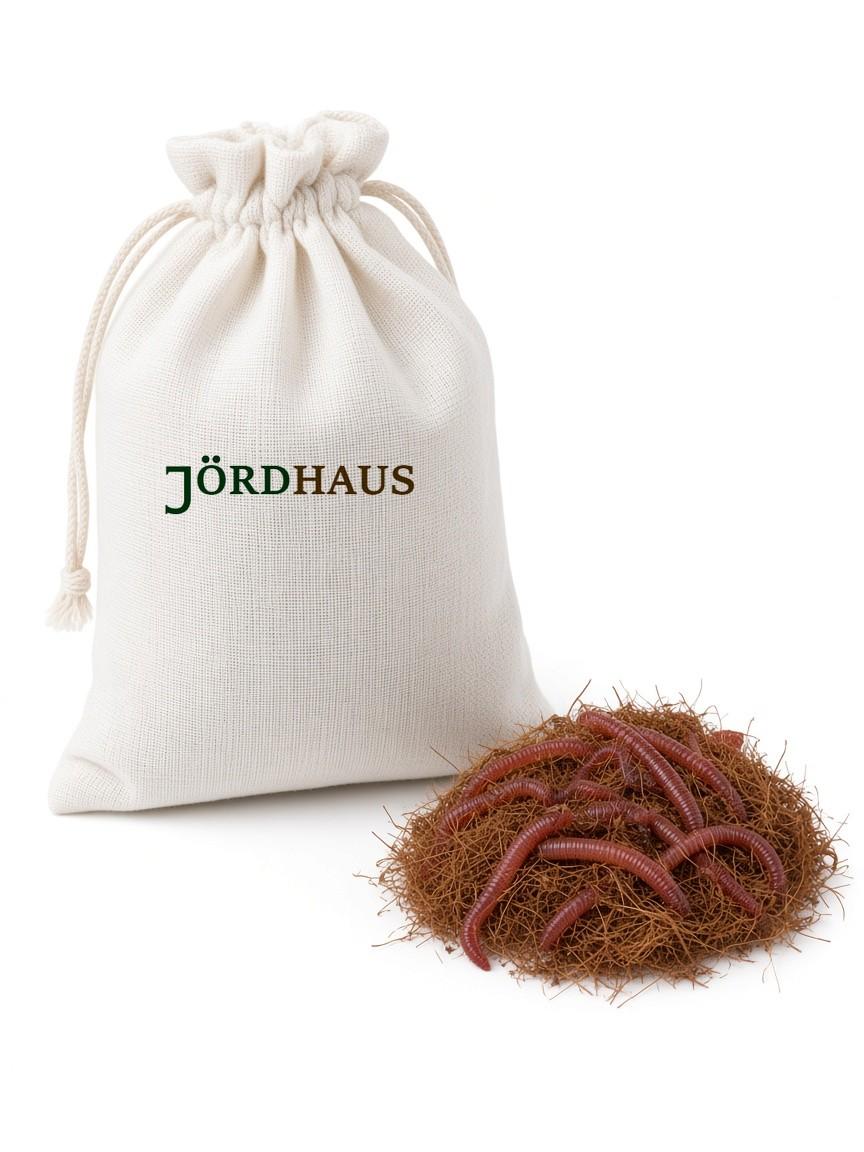
White muslin drawstring bag stamped with the JördHaus logo beside red wigglers in coco coir

The farm

Composting worms

Live Eisenia fetida — European red wigglers for composting, vermicast, and living soil.

$19.95100 count

A starter herd of European red wigglers for a bin, raised bed, or small compost pile. Packed live from Redmond.

Questions?

In the soil

From scraps to black gold

A thriving worm population does more than empty the scrap bowl. It rebuilds the soil the plants are standing in.

Side slice of a bin

Day one

The bin is still dinner

Peels, leaves, and a little bedding. The worms are already at the edges, pulling the soft pieces under.

What a busy worm bed does

  • Plants

    Castings feed without the jolt of a salt fertilizer. Plants get a slow supply of nutrients, plus the growth signals researchers keep finding in vermicompost.

  • Roots

    Worm tunnels are already-dug hallways. Roots follow the air and the moisture instead of stalling in packed ground.

  • Microbiome

    A worm gut is a small brewery. Casts come out denser with living bacteria than the soil that went in.

  • Water

    The crumbs hold rain the way a sponge does, and the tunnels let the extra drain. Roots can drink without sitting in a puddle.

  • Disease

    The microbes in a casting take up space some root diseases need, so those diseases have a harder time taking hold. It is a living effect in the soil, not a spray.

  • Fungi

    Worms shred scraps into pieces fungi can actually colonize. In a bed you don't till, mycorrhizae stay threaded through the tunnels the worms keep open.

Composting worms

Nature's bioreactors

A red wiggler is a living bioreactor. Scraps go in one end. The gut turns them into castings a bed can use.

The gut does the work

A worm does more than chew. Its gut carries a community of microbes, and that community is what breaks scraps down and works minerals into forms a root can take up. The casting that leaves the worm is the finished batch: ground food, freed nutrients, and the microbes still in it.

Those microbes keep working after the casting is in the soil. They help hold nutrients where roots can reach them, instead of letting them wash through. You are adding the reactor's output, not a bag of salt.

A herd from the farm

A 100-count herd starts a household bin. A 300-count herd stocks a larger bin and starts producing sooner. Both ship live in the United States. We hold a box through a hard freeze or a heat wave rather than send worms into weather that would cook or freeze them. We do not ship live worms to Canada yet.